
Quick Answer
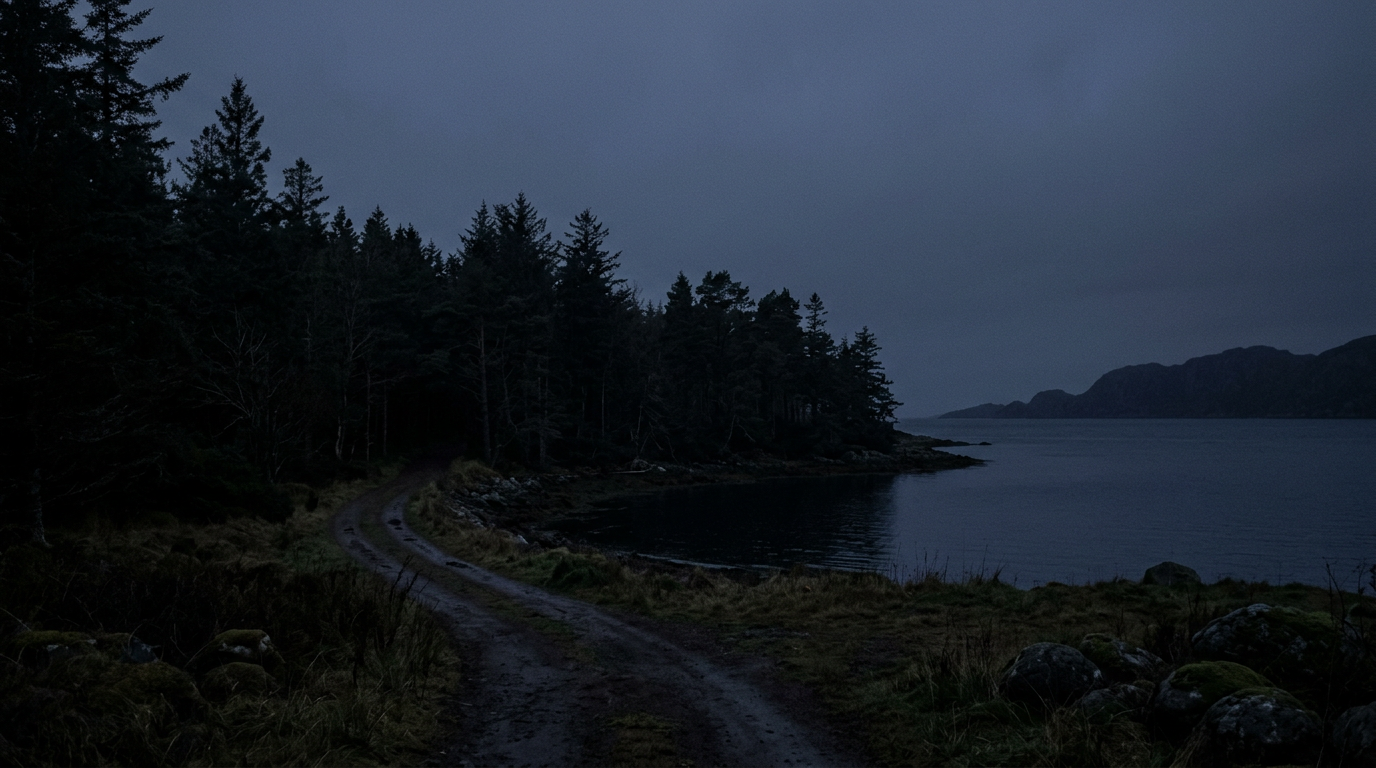
Stygian describes something incredibly dark and gloomy, often with a sense of dread. It's more than just dim; it implies a deep, oppressive darkness, like the mythical River Styx in the underworld. This imagery makes it a powerful word to convey extreme gloom and a foreboding atmosphere.
In a hurry? TL;DR
- 1Use 'Stygian' to describe extreme, oppressive darkness, far beyond ordinary shadows.
- 2Evoke a gloomy, forbidding, or mysterious atmosphere with the word 'Stygian'.
- 3Connect 'Stygian' to the mythological River Styx for a sense of the underworld or death.
- 4Apply 'Stygian' to physical locations like deep caves or the deep sea.
- 5Describe psychological states or abstract concepts with the profound darkness of 'Stygian'.
- 6Distinguish 'Stygian' from 'dim' or 'murky' by emphasizing total light absence and weight.
Why It Matters
Stygian is a wonderfully evocative word that allows you to describe a darkness far more profound and unsettling than mere blackness.
Stygian describes a darkness so deep and oppressive it feels impenetrable, often carrying a sense of gloom or forbidding mystery. It refers to something that is not merely dark, but profoundly, unnervingly black.
The Quick Summary
- Meaning: Extremely dark, gloomy, or forbidding.
- Tone: Dramatic, literary, and atmospheric.
- Connection: Derived from the River Styx in Greek mythology.
- Usage: Ideal for describing deep caves, midnight waters, or internal psychological states.
Why It Matters
Stygian gives you a way to describe a lack of light that feels heavy and permanent, distinguishing a simple shadow from a total, suffocating void.
STIJ-ee-uhn (/ˈstɪdʒiən/)
- Part of Speech: Adjective
- Pronunciation: STIJ-ee-uhn (/ˈstɪdʒiən/)
- Meaning: Dark, gloomy, and forbidding.
More Than Just a Shade of Black
While many words describe darkness, Stygian carries a specific weight. Unlike dim or murky, which suggest a partial lack of light, Stygian implies a total absence of it. It is the kind of darkness found at the bottom of the ocean or in the depths of an unlit cavern where the eyes never quite adjust.
The word is distinctive because it bridges the gap between the physical and the mythological. To call something Stygian is to evoke the River Styx, the boundary between the world of the living and the underworld. According to researchers at the University of Oxford, the term has transitioned from a specific mythological reference to a general descriptor for any darkness that feels unnatural or deathly quiet.
Today, scientists often use the term to describe extreme materials. Vantablack, a substance that absorbs 99.96 percent of visible light, is frequently described as having a Stygian quality. When you look at it, your brain cannot process the depth, making a three-dimensional object look like a flat, terrifying hole in reality.
The Origin Story
Examples in Context
- The Deep Sea: Explorers descending into the Mariana Trench found themselves in a Stygian environment where bioluminescence is the only reprieve from the crushing black.
- Urban Decay: The abandoned subway tunnels possessed a Stygian gloom that even the strongest flashlights struggled to pierce.
- Literature: Cormac McCarthy often employs a Stygian tone to establish the bleak, hopeless landscapes his characters inhabit.
Synonyms and Antonyms
- Synonyms: Cimmerian, tenebrous, sepulchral, pitch-black.
- Antonyms: Luminous, radiant, incandescent, bright.
Practical Usage Tips
Use Stygian when the darkness feels like a physical presence rather than just a lack of light. It works best in creative writing or descriptions of extreme environments. Avoid using it for mundane situations, like a bedroom with the curtains drawn, as the word carries a heavy, serious subtext that demands a sense of awe or dread.
Does Stygian always mean dark?
While its primary definition refers to literal darkness, it can also describe a mood or temperament that is gloomy, sullen, or forbidding.
How is it different from Cimmerian?
Both words refer to intense darkness. However, Cimmerian specifically evokes a permanent mist or cloud, whereas Stygian evokes the deep, watery depths of the underworld.
Is Stygian a common technical term?
It is rarely used in hard science outside of descriptive metaphors, but it remains a staple in classical studies, literature, and art criticism.
Related Concepts
- The myth of Charon and the River Styx
- The physics of light absorption
- Tenebrism in Baroque painting
Key Takeaways
- Beyond Black: It describes a darkness that is heavy, forbidding, and total.
- Mythic Roots: Named after the River Styx, the boundary of the Greek underworld.
- Modern Utility: Used to describe extreme materials like Vantablack or the deep ocean.
- Emotional Weight: Carries a sense of gloom and permanence that simple adjectives lack.
Example Sentences
"The explorer's torch barely pierced the Stygian blackness of the cave."
"A Stygian gloom settled over the old mansion after the funeral, casting a pall over its inhabitants."
"He peered into the Stygian depths of the well, unable to discern anything in the profound darkness."
"The Stygian clouds promised a severe storm, turning the afternoon sky to an ominous twilight."
"Her heart was filled with a Stygian despair that no amount of comfort seemed able to alleviate."
Frequently Asked Questions
Sources & References
 Merriam-WebsterThis source provides the definition, pronunciation, and part of speech for 'Stygian'.merriam-webster.com
- 2Online Etymology DictionaryThis source details the etymology of 'Stygian', tracing its origin back to the River Styx in Greek mythology.etymonline.com
- 3Collins DictionaryThis source offers definitions and example sentences illustrating the usage of 'Stygian' in context.collinsdictionary.com