
Quick Answer
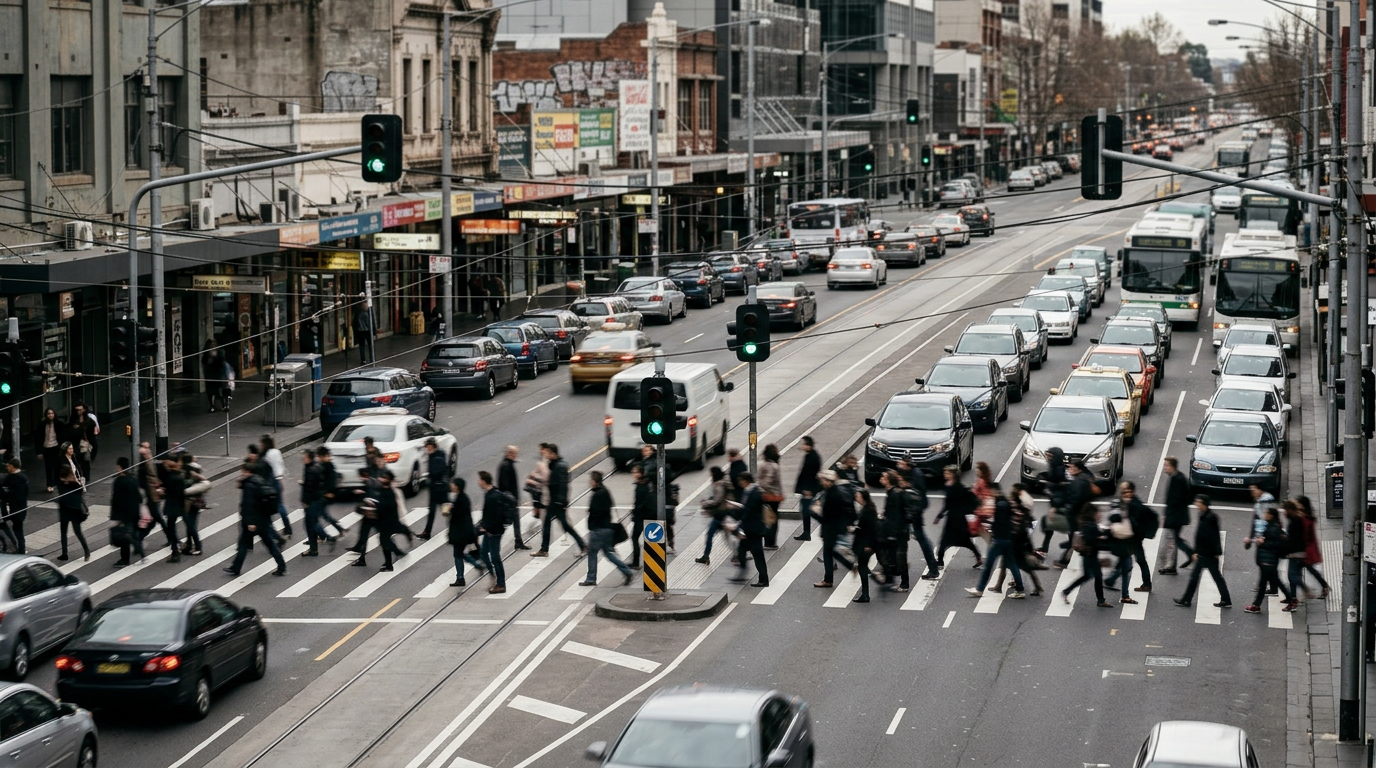
Frenetic means fast and energetic, often in a wild, uncontrolled way. It's a great word for describing chaotic scenes, like a bustling market or a mad dash, because it captures that feeling of overwhelming, almost frantic activity that leaves you breathless.
In a hurry? TL;DR
- 1Frenetic means fast, energetic, and wild, often suggesting a loss of control or composure.
- 2Distinguish frenetic (environment/movement) from frantic (emotional fear/urgency).
- 3Frenetic implies a pace driven by external pressure or anxiety, unlike productive energy.
- 4The 1518 Dancing Plague exemplifies frenetic energy as uncontrollable, mass psychogenic movement.
- 5Use frenetic to describe unhealthy, overwhelming speed or chaotic activity.
- 6Words like feverish, hectic, and manic are synonyms for frenetic.
Why It Matters
Understanding "frenetic" helps us distinguish between productive energy and a chaotic, uncontrolled state, offering a sharper way to describe intense, often anxious, activity.
Frenetic describes an energy that has tipped over the edge into chaos. It is the state of being wildly active, fast-paced, and potentially out of control.
The Quick Definition
Part of Speech: Adjective Pronunciation: frih-NET-ik (/frɪˈnɛtɪk/) Meaning: Fast and energetic in a way that is rather wild and uncontrolled.
The Edge of Chaos
While words like energetic or busy imply a productive flow, frenetic suggests a loss of composure. It is the difference between a brisk walk and a panicked sprint. When a pace becomes frenetic, it often carries a sense of anxiety or agitation, as if the speed is being forced by external pressure rather than internal desire.
Unlike frantic, which usually describes an emotional state driven by fear or urgency, frenetic is often applied to environments, movements, or periods of time. A stock exchange floor is frenetic; a parent looking for a lost child is frantic. The word captures the visible, mechanical vibration of high-stress activity.
The Dancing Plague
One of the most vivid historical examples of frenetic energy is the Dancing Plague of 1518. In Strasbourg, hundreds of people began dancing uncontrollably for days on end. What started as a few individuals spiralled into a city-wide crisis of exhaustion.
Unlike a choreographed performance, this was a frenetic display of involuntary movement. According to historians at the University of Edinburgh, this mass psychogenic illness was likely triggered by extreme psychological distress, manifesting as physical mania that the sufferers literally could not stop.
Examples in Context
- The kitchen reached a frenetic pace during the dinner rush, with chefs shouting orders over the hiss of searing meat.
- After weeks of silence, the artist entered a period of frenetic creativity, producing ten canvases in a single weekend.
- Modern life often feels unnecessarily frenetic, driven by the constant ping of digital notifications that demand immediate attention.
- The film’s editing was so frenetic that some viewers complained of feeling dizzy after the opening sequence.
Synonyms and Antonyms
Synonyms: Feverish, frantic, hectic, manic, wild. Antonyms: Placid, calm, leisurely, serene, sluggish.
Practical Usage Tips
Use frenetic when you want to describe a scene where the speed feels slightly unhealthy or overwhelming. It works best when describing business, artistic bursts, or urban environments. If the focus is purely on a person’s internal panic, reach for frantic instead.
What is the difference between frenetic and frantic?
Frenetic usually describes a sustained state of wild activity or a chaotic environment, whereas frantic usually describes a temporary emotional state triggered by a specific urgent need or fear.
Can frenetic be a positive word?
It can describe high-intensity creativity or excitement, but it almost always carries an underlying tone of disorder. It is rarely used to describe a calm, well-organised success.
How do you use it in a professional setting?
You might describe a project launch as having a frenetic schedule, implying that while work is getting done, the pace is taxing and potentially chaotic for the team.
Key Takeaways
- Meaning: Wildly excited or active; chaotic energy.
- Origin: Derived from the Greek word for the mind or diaphragm.
- Usage: Best applied to environments, paces of work, or physical movements.
- Distinction: More focused on the outward activity than the inward emotion of fear.
Example Sentences
"The city's financial district has a frenetic pace, with brokers constantly on the phone and screens flashing data."
"After the unexpected announcement, the newsroom descended into a frenetic scramble to update their stories."
"She found the children's party, with its loud music and non-stop games, to be a rather frenetic experience."
"The band's performance was a frenetic burst of energy, with the lead singer leaping across the stage."
"Despite his attempts to remain calm, the final few days before the deadline were utterly frenetic."
Frequently Asked Questions
Sources & References
 Merriam-WebsterThis source provides the definition, pronunciation, and synonyms for 'frenetic'.merriam-webster.com
- 2Online Etymology DictionaryThis source details the etymology of 'frenetic', tracing its origins back to Greek 'phrenitikos' and 'phren'.etymonline.com
- 3Collins DictionaryThis source offers definitions and example sentences demonstrating the usage of 'frenetic'.collinsdictionary.com