
Quick Answer
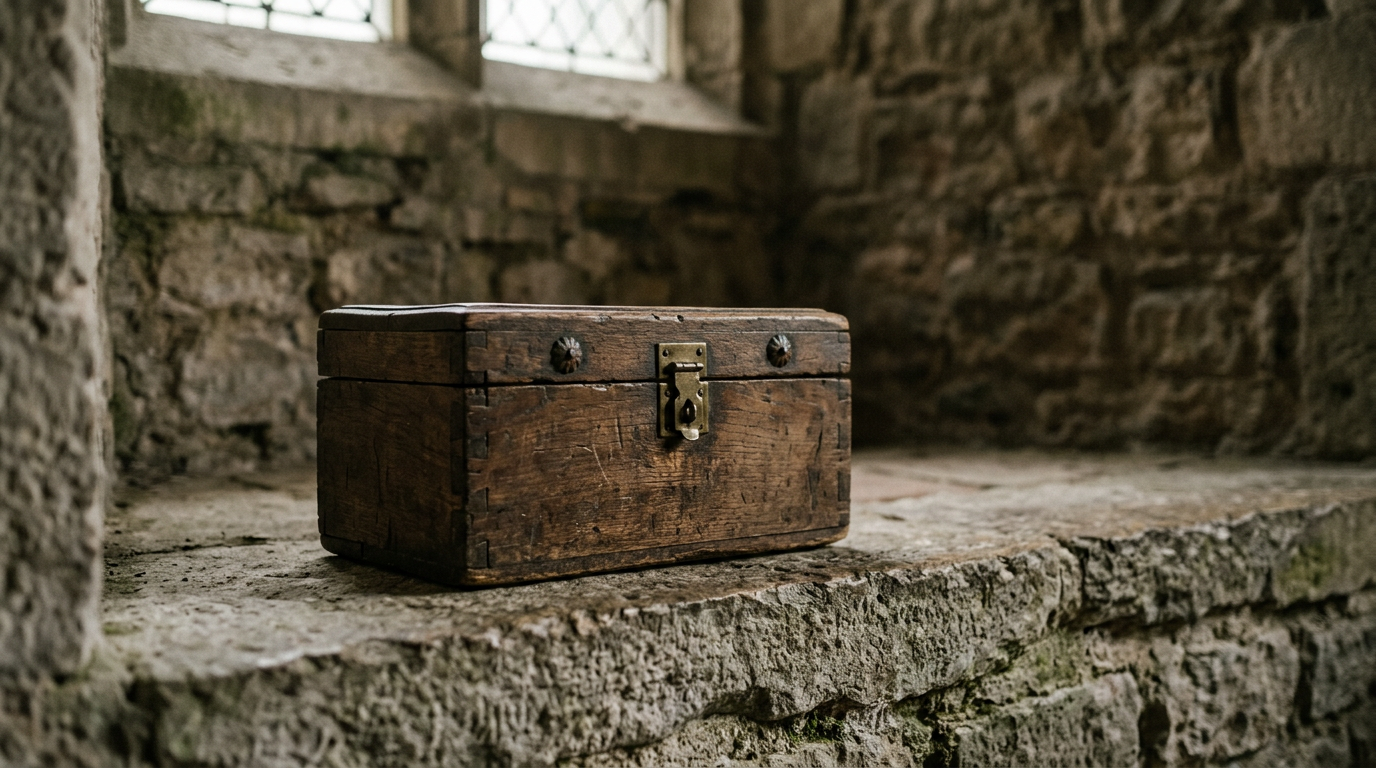
A reliquary is a fancy box or case designed to hold holy relics, such as the bones of saints or important religious items. These containers are fascinating because they highlight our deep human need to preserve and honour significant people or moments, transforming physical remnants into objects of reverence and devotion.
In a hurry? TL;DR
- 1Reliquaries are containers for sacred remains, bridging the physical and spiritual realms and transforming objects into vessels of memory.
- 2They range from simple boxes to elaborate, jeweled sculptures, often mirroring the body part they contain.
- 3Reliquaries offer a tangible connection to the deceased, making abstract memories feel more concrete and accessible.
- 4The concept extends beyond religion, with secular examples like celebrity memorabilia displayed in protective cases.
- 5These containers celebrate fragments, emphasizing value and permanence over the fragility of remains.
- 6Reliquaries are designed for interaction, allowing proximity and veneration of historical or cultural icons.
Why It Matters
Reliquaries are fascinating because they show how we use physical objects to make intangible beliefs and memories feel real and permanent.
A reliquary is a container designed to hold sacred remains or personal effects of a revered person, typically used to bridge the gap between the physical and the spiritual. It transforms a mundane object or a fragment of bone into a permanent vessel for memory and veneration.
TL;DR
- Purpose: Preserves and displays physical relics of saints, martyrs, or public figures.
- Form: Ranges from simple boxes to elaborate, jewel-encrusted anatomical sculptures.
- Psychology: Provides a tangible connection to the deceased, making abstract memory feel physical.
- Cultural Shift: While traditionally religious, modern reliquaries now include secular items like celebrity hair or sports memorabilia.
Why It Matters
Understanding the reliquary reveals how humans use physical craftsmanship to anchor their most abstract beliefs, turning the fragility of remains into the permanence of art.
REL-i-kwer-ee (/ˈrɛlɪˌkwɛri/)
Part of Speech: Noun Definition: A container, shrine, or casket for the preservation of relics.
The Art of Holding What Remains
A reliquary is not just a box; it is an architectural statement about the value of what lies inside. While a coffin hides the dead, a reliquary often celebrates the fragments. In the Middle Ages, these vessels were frequently shaped like the body part they contained—a golden arm for a humerus bone, or a jewelled bust for a skull.
Unlike a simple urn, which serves as a final resting place for ashes, a reliquary is meant to be interacted with. It is an instrument of proximity. In the Catholic and Orthodox traditions, the reliquary allows the faithful to touch or view a piece of history, believing that the essence of the individual remains attached to their physical leavings.
The concept has migrated into the secular world. When collectors bid millions for a lock of Elvis Presley’s hair or a fragment of a stage-smashed guitar, they are engaging in a modern form of relic hunter behaviour. The frame or display case housing these items functions as a contemporary reliquary, elevating a scrap of material into a cultural icon.
Examples in Context
- Historical: The Sainte-Chapelle in Paris was essentially built to be a giant, habitable reliquary for the Crown of Thorns.
- Modern: The Hard Rock Cafe serves as a global chain of secular reliquaries, housing the instruments and clothing of rock royalty.
- Scientific: Some museums treat the original prototypes of the standard kilogram or metre with the reverence of a reliquary, keeping them under triple-locked glass.
Practical Usage
Use reliquary when you want to describe a container that adds a layer of sanctity or high value to its contents. It implies that the item inside is not just stored, but enshrined. It is a more evocative choice than casket, case, or box when the subject matter involves memory, legacy, or intense devotion.
Related Concepts
- Hagiography: The writing of the lives of saints.
- Memento Mori: An object serving as a warning or reminder of death.
- Ossuary: A chest, building, or site made to serve as the final resting place of human skeletal remains.
What is the difference between an urn and a reliquary?
An urn is typically a functional vessel for the entirety of a person's cremated remains. A reliquary is often designed to display or house specific fragments or possessions for public or private veneration.
Can a person be a living reliquary?
Metaphorically, yes. Writers often use the term to describe someone who carries the secrets, stories, or traditions of a lost generation.
Are reliquaries only religious?
While their origins are deeply rooted in Buddhism, Christianity, and Hinduism, the term now applies to any container for a highly valued historical or personal item.
Key Takeaways
- Reliquaries turn physical remains into symbolic treasures.
- They are often designed to mimic the shape of the object they hold.
- The word implies a sense of preservation, reverence, and public display.
- Secular reliquaries exist in museums and private collections, housing celebrity and historical artefacts.
Example Sentences
"The intricately carved wooden reliquary housed a splinter believed to be from the True Cross."
"During the medieval period, many churches competed to acquire precious relics and display them in elaborate reliquaries."
"The museum's exhibition featured a stunning gold and jewelled reliquary in the shape of a saint's arm."
"For centuries, pilgrims would travel great distances to venerate the relics held within the cathedral's grand reliquary."
"Though modern, the artist designed a minimalist reliquary to hold a beloved musician's treasured plectrum and broken guitar string."
Frequently Asked Questions
Sources & References
 Merriam-WebsterThis source supports the definition, pronunciation, and part of speech of 'reliquary'.merriam-webster.com
- 2Online Etymology DictionaryThis source provides the etymology of 'reliquary', tracing its origins to Old French and Latin.etymonline.com
- 3Collins DictionaryThis source offers a definition and examples of usage for 'reliquary'.collinsdictionary.com