
Quick Answer
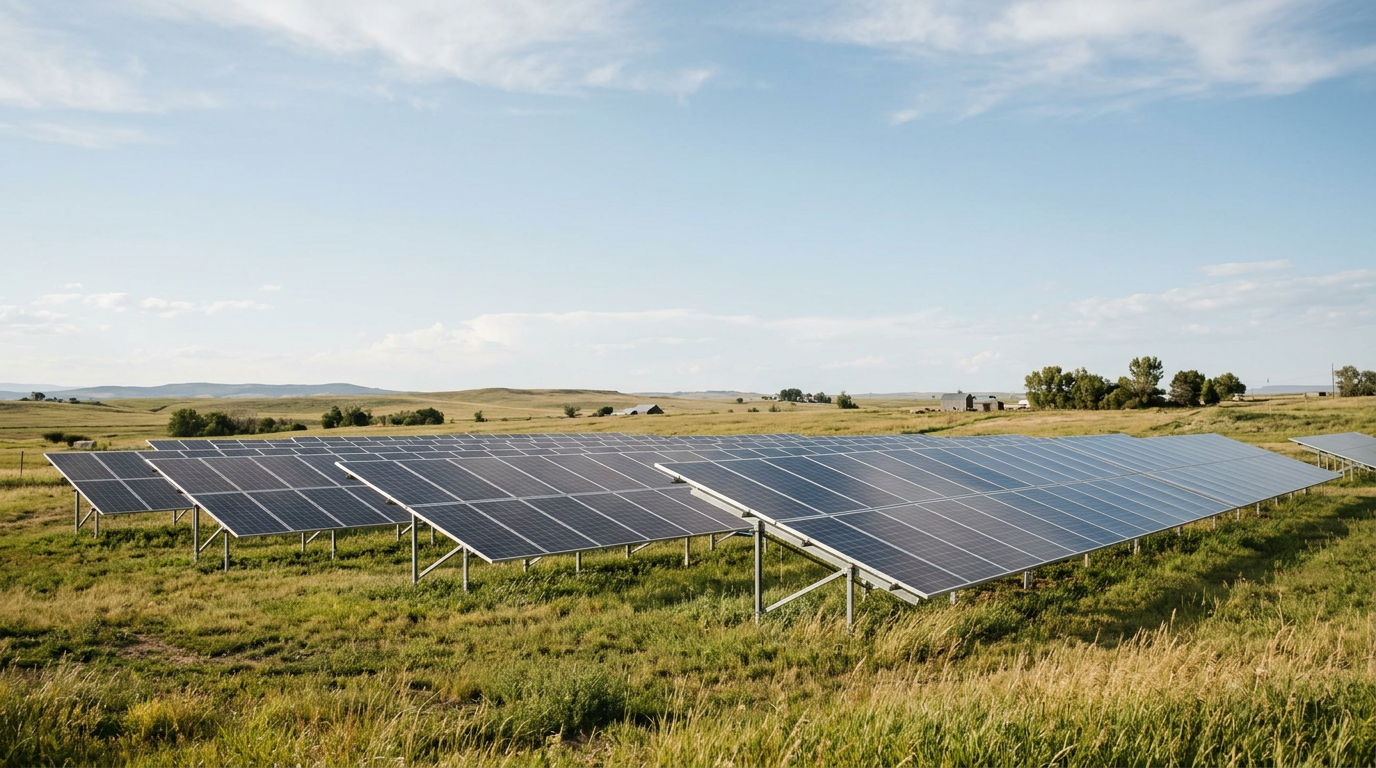
Insolation is the measure of how much solar energy hits a specific part of the Earth’s surface. It isn’t just about sunshine; it is the fundamental force driving our planet’s weather systems and climate cycles. Understanding these solar patterns is crucial because it dictates where we build renewable energy projects and how we predict global environmental changes. By mapping these invisible beams of heat, we gain essential insights into everything from local crop yields to the future of our glob
In a hurry? TL;DR
- 1Understand that insolation measures the total energy density of solar radiation, serving as the essential metric for calculating the power generation potential of solar panels.
- 2Account for variables like latitude, seasonal changes, and cloud coverage when evaluating a location, as these factors directly dictate the intensity of solar energy received.
- 3Prioritize precise insolation data when planning renewable energy infrastructure to ensure that solar farm locations are economically viable and produce sufficient power for the grid.
- 4Recognize that insolation is not just about light or heat; it is the fundamental driver of global atmospheric patterns, including wind currents and oceanic climate systems.
- 5Differentiate clearly between insolation and insulation: while insulation traps thermal energy, insolation represents the continuous arrival of radiant energy from the sun to a surface.
- 6Utilize insolation data in specialized fields like architecture and agriculture to optimize building climate control systems or maximize crop development and quality during the growing season.
Why It Matters
Understanding insolation is essential because it quantifies the raw energy available at a specific location, determining whether a solar project will become a powerful resource or a wasted investment.
Insolation is a measurement of the solar radiation reaching a specific area, typically used to quantify how much energy the sun dumps onto a surface over time. It is the bridge between pure sunlight and usable power.
Part of Speech: Noun Pronunciation: in-soh-LAY-shuhn (/ˌɪn.səˈleɪ.ʃən/) Meaning: The amount of solar radiation that reaches a given area.
Why It Matters Understanding insolation is the difference between building a useless solar array and powering a city.
The Weight of Sunlight
While we often treat sunlight as a binary state—it is either sunny or it is not—scientists view it as a delivery service. Insolation tracks exactly how many watts are hitting a square metre. It is the reason a summer day in London feels different from a summer day in Cairo, even if both have clear blue skies.
The most interesting angle is the sheer disparity of this energy. Unlike temperature, which we experience as a general feeling, insolation is a hard currency. According to data from the World Bank, the high plateaus of Chile receive nearly double the annual insolation of Northern Europe. This makes the Atacama Desert the most valuable energy real estate on the planet.
Insolation is what drives the Hadley Cells in our atmosphere, moving air from the equator to the subtropics. Without the uneven distribution of this solar income, there would be no wind, no ocean currents, and no weather as we know it.
Examples in Context
- Architecture: The building was designed with deep overhangs to mitigate high summer insolation and prevent the interior from overheating.
- Agriculture: Vintners in the Rhone Valley rely on high levels of insolation to ensure the grapes develop enough sugar for a high-alcohol wine.
- Planetary Science: Because of its axial tilt, the insolation at the poles of Mars varies wildly, causing the carbon dioxide ice caps to grow and shrink.
- Energy: Before investors fund a billion-dollar solar project, they demand years of precise insolation data to prove the site is viable.
Synonyms and Antonyms
- Synonyms: Solar irradiance, sun exposure, radiative flux.
- Antonyms: Shadow, darkness, thermal radiation (outward).
Practical Usage Tips
Use insolation when you are talking about the potential for energy or the physical impact of the sun on a surface. Avoid using it as a synonym for sunny weather. Sunlight is what you see; insolation is what the ground receives.
Is insolation the same as temperature?
No. Temperature is the result of insolation after it has been absorbed and converted into heat. A mirror-covered desert would have high insolation but might stay cooler than a black tarmac road.
How is it measured?
It is typically measured in kilowatt-hours per square metre per day (kWh/m²/day) using an instrument called a pyranometer.
Does altitude affect it?
Yes. At higher altitudes, there is less atmosphere to scatter or absorb the rays, meaning insolation is significantly higher on a mountain peak than at sea level.
Key Takeaways
- Insolation quantifies the sun’s energy on a specific patch of Earth.
- It is the foundation of meteorology and renewable energy planning.
- Location and angle are the two most important factors in determining its strength.
- It represents the raw input that powers almost every biological and mechanical system on Earth.
Example Sentences
"The architects maximised natural heating by calculating the average annual insolation received by the south-facing facade."
"Due to persistent cloud cover, the Scottish Highlands generally experience much lower levels of insolation than southern England."
"Milankovitch cycles demonstrate how subtle shifts in Earth's orbit alter regional insolation and trigger ice ages."
"Before investing in the proposed solar farm, the energy syndicate commissioned a rigorous assessment of local insolation patterns."
"Regions near the equator receive consistently high insolation throughout the year because the sun's rays hit the surface at an almost perpendicular angle."
