Quick Summary
This blog post reveals fascinating scientific facts that sound unreal but are completely true. It's interesting because it makes you rethink what you think you know, like how the Eiffel Tower actually gets taller in the summer due to heat.
In a hurry? TL;DR
- 1The Eiffel Tower can grow up to 6 inches taller in summer due to thermal expansion of its iron structure.
- 2Engineers must design large metal structures to accommodate temperature-related expansion and contraction.
- 3Human pregnancy requires an extra 50,000 calories over nine months, roughly 300 daily, due to intense metabolic demands.
- 4Honey bees possess incredibly sensitive olfactory senses capable of detecting minute traces of explosives.
- 5Historical examples show social value can be arbitrary, like celery being a status symbol in 19th-century New York.
- 6Military operations use placeholders like 'D-Day' to protect sensitive information during planning.
Why It Matters
It's surprising that everyday things like building materials and insect senses can have such extraordinary, almost unbelievable, scientific applications.
The natural world frequently operates on logic that seems to defy common sense, from insects that assist in counter-terrorism to monuments that physically expand in the heat. These anomalies are not glitches in the system but the result of verifiable physical laws and biological adaptations.
- Metal expands or contracts based on temperature, causes iconic structures to change height seasonally.
- Insects like honey bees possess olfactory senses sharp enough to detect microscopic traces of explosives.
- Historical status symbols, such as celery in 19th-century New York, reveal how social value is often arbitrary.
- Biological processes, including human pregnancy, require significantly more metabolic energy than many people realise.
- Military terminology uses placeholders like D-Day to maintain operational security during strategic planning.
The value of understanding these strange realities lies in their ability to dismantle our assumptions about how the material and social worlds function.
The Architectural Growth of the Eiffel Tower
We tend to think of steel and iron landmarks as permanent, immutable fixtures of the skyline. However, the Eiffel Tower is a living lesson in thermal expansion. Built by Gustave Eiffel for the 1889 World’s Fair, the tower is composed of puddled iron, a material that is highly sensitive to temperature shifts.
When the sun beats down on Paris in July, the kinetic energy of the iron atoms increases. They vibrate more vigorously and take up more space. This results in the Eiffel Tower growing 6 inches taller in summer compared to its height in the dead of winter. This expansion is not just vertical; the sun hitting one side can cause the tower to tilt slightly away from the heat as that specific side expands faster than the others.
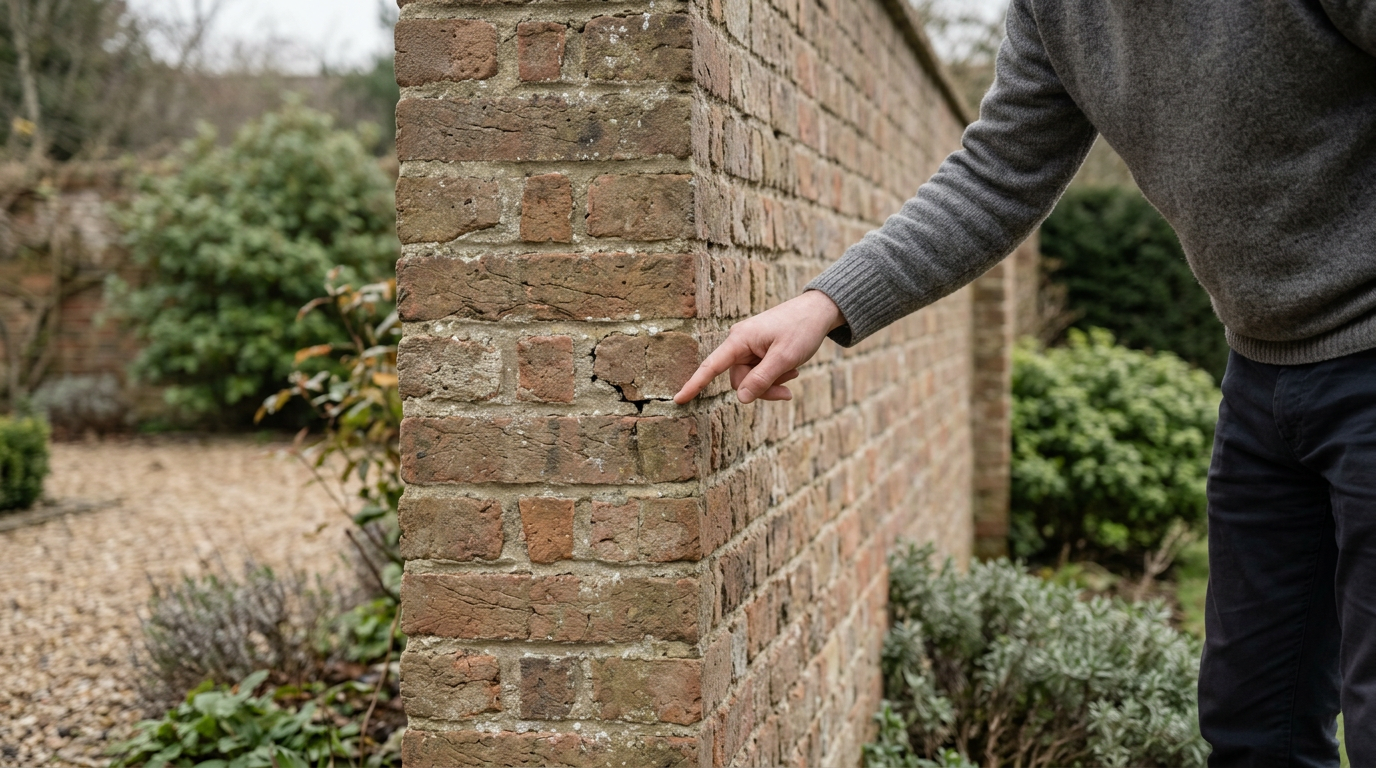
Engineers must account for this flexibility in all large-scale metal structures. Without the ability to breathe, bridges and skyscrapers would eventually buckle or crack under the pressure of their own shifting atoms. Unlike stone, which is relatively stable, the iron lattice of the Eiffel Tower is essentially a 300-metre thermometer.
The Surprising High-Octane Cost of Pregnancy
There is a common trope that pregnancy requires eating for two, but the actual metabolic data is far more specific and demanding than a simple idiom. It is an Olympic-level feat of endurance that lasts nine months rather than a few weeks.
According to research published in Science, the energy demands of carrying a child are significantly higher than previous estimates suggested. Calculations show that across a full pregnancy, the extra energy cost is 50,000 calories, which breaks down to roughly 300 extra calories per day. This is not just about the weight of the growing foetus; it is the energy required to build new organs, increase blood volume by 50 percent, and maintain a dramatically heightened metabolic rate.
In contrast to most mammals, humans have a particularly expensive reproductive process due to our large brains and upright posture. This metabolic ceiling is one reason why human gestation lasts as long as it does; the body simply cannot sustain a higher rate of energy expenditure without risking the health of the mother.
The Unlikely Elite Status of Victorian Celery
Social status is often linked to scarcity rather than inherent value. Today, celery is the budget-friendly base of a mirepoix or a forgotten snack in the back of the fridge. However, in the late 1800s, it was the ultimate signifier of wealth and sophistication in American high society.
During this era, raw celery was a luxury item on New York City menus, frequently appearing as the third most popular item behind coffee and tea. Because it was difficult to grow and required constant irrigation and Labour-intensive blanching to keep the stalks white, it became a flex for the Gilded Age elite.
It was often served in ornate, crystal celery vases placed in the centre of the table. If you were dining at the Waldorf-Astoria in 1890, having a crisp stalk of celery was the equivalent of ordering wagyu beef or caviar today. It reminds us that luxury is often a true story so bizarre it reads like bad fiction, driven entirely by the difficulty of acquisition.
The APIARY of National Security
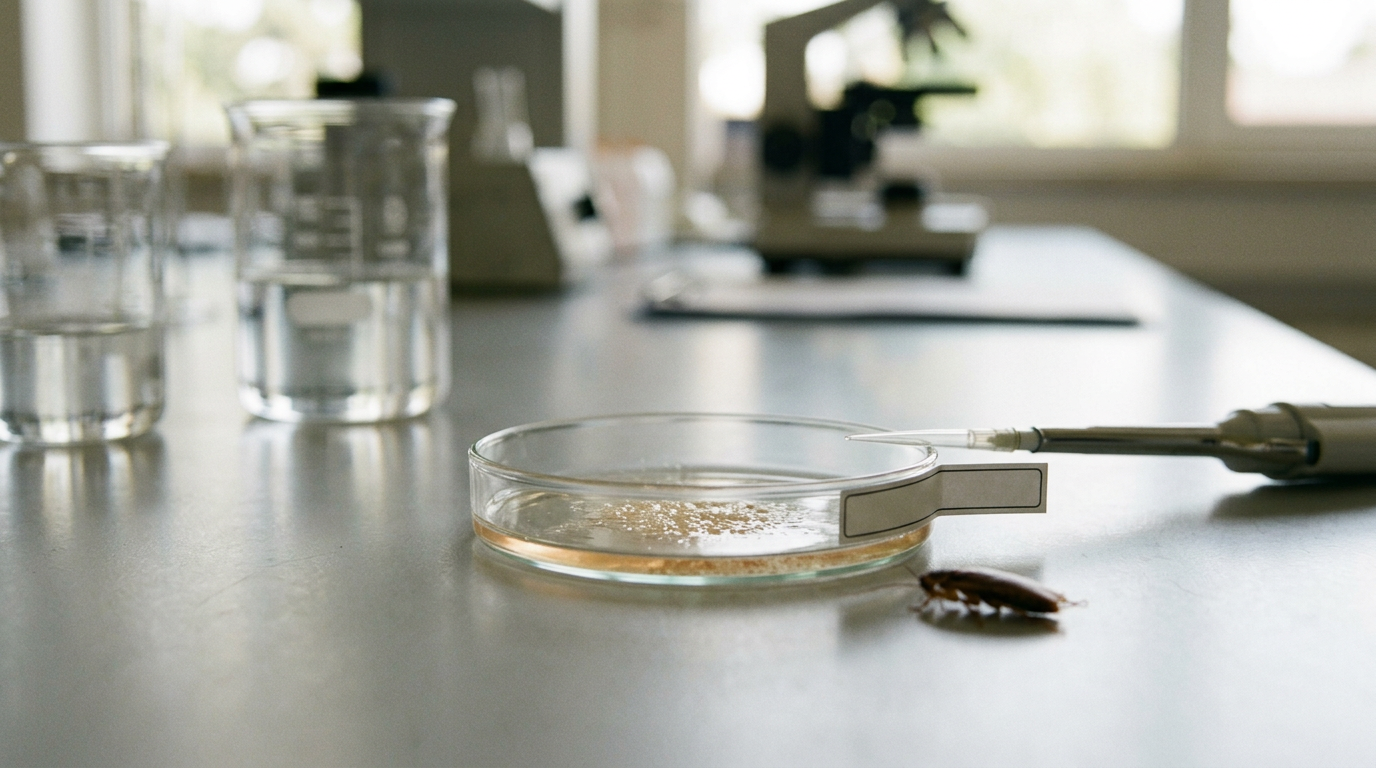
While we usually think of bomb-sniffing dogs, the next frontier in detection might be the common honey bee. Bees possess an extraordinary olfactory system that allows them to detect pollen at vast distances. Scientists at Los Alamos National Laboratory discovered that these insects can be trained to associate the smell of explosives with a food reward.
Using Pavlovian conditioning, honey bees can detect explosives by extending their proboscis (tongue) when they catch the scent of TNT, C4, or gunpowder. Researchers have developed handheld sensors that house these trained bees, using cameras to monitor their tongue movements as air is pumped through the device.
Unlike dogs, which require months of training and a strong bond with a handler, bees can be trained in hours. They are also unobtrusive and can be deployed in swarms to scan large areas for landmines, providing a low-cost, biological solution to a lethal problem.
The Boring Truth About D-Day
The term D-Day is used so frequently in the context of the 1944 invasion of Normandy that many assume the D stands for Deliverance, Doom, or Departure. However, the military reality is far more utilitarian and repetitive.
In military planning, the D in D-Day simply stands for Day, serving as a placeholder for the date an operation is set to begin. This allows planners to schedule events in relation to the start date (such as D-1 or D+3) without knowing the actual calendar day, which might change based on weather or intelligence.
This isn't an isolated quirk. The military also uses H-Hour to designate the exact time a mission commences. While Normandy is the most famous D-Day, there were hundreds of others throughout the Second World War. The placeholder system was simply a way to keep secret dates out of documents that might be intercepted. It’s a strange fact that changes how you see trees and other historical landmarks; often, the most momentous events have the most mundane names.
Paying for Partnerships in South Korea
South Korea is currently facing a demographic crisis with the lowest birth rate in the world. In response, local governments have moved beyond traditional tax breaks and are now directly subsidising the entire pipeline of human relationships.
Currently, South Korea pays couples to date and marry through various local government initiatives. In cities like Busan, authorities have organised blind dating events where participants receive cash just for showing up. If a couple starts dating, they receive a bonus; if they marry, the payout increases significantly, sometimes reaching over 50 million won (roughly £30,000).
This extreme intervention highlights the desperation of a nation whose population is projected to halve by the end of the century. It is a real-world example of how tiny kingdoms of their own are forced to innovate when the foundational structures of society—family and birth—begin to stall.
Summary Table of Bizarre Realities
| Phenomenon | Core Fact | Why It Happens |
|---|---|---|
| Monument Growth | Iron expansion | Thermal expansion causes atoms to vibrate and take up more space. |
| Pregnancy Cost | 50,000 calories | Massive metabolic demand for organ building and blood volume increase. |
| Luxury Celery | Served in crystal vases | Difficulty of cultivation and irrigation made it a Victorian status symbol. |
| Bio-Detection | Explosive-sniffing bees | Bees have highly evolved olfactory systems for finding pollen. |
| Military Jargon | D means Day | A universal placeholder used to coordinate logistics without a fixed date. |
| Dating Subsidies | Cash for marriage | Government attempts to fix record-low birth rates with financial rewards. |
Key Takeaways
- Physical structures like the Eiffel Tower are dynamic, not static, due to thermal expansion.
- Nature provides biological tools, like bee olfaction, that outperform many modern technologies.
- Social value is fluid; what is a luxury today (like celery was) can become a commodity tomorrow.
- Human biology operates at an incredibly high energy cost during gestation, stretching metabolic limits.
- Precise terminology, even if it seems redundant, is vital for large-scale logistics and security.
Related Reading
- True Stories So Bizarre They Read Like Bad Fiction — More examples of reality outstripping imagination.
- One Strange Fact That Changes How You See Trees — Deep dives into the hidden world of botany.
- The Eiffel Tower can grow 6 inches taller in summer — Exploring the science of puddled iron.
- South Korea Pays Couples to Date and Marry — The economics of modern demographics.
Frequently Asked Questions
Sources & References
-
 National GeographicProvides comprehensive information on iron, including its role in the body, recommended intake, sources, and health effects of deficiency and excess. It details iron's function in hemoglobin for oxygen transport.ods.od.nih.gov
 -
 WikipediaBackground research and contexten.wikipedia.org
 -
 The AtlanticEditorial analysis and perspectivetheatlantic.com
 -
 The GuardianSupplementary reportingtheguardian.com
Learn something new each day
Daily words, facts and quotes delivered to your phone.